
Landscaping with Native Texas Plants in Round Rock & Austin, TX
Native Texas Plants Landscaping for Low Maintenance Yards
A Harmonious Blend of Nature and Design
At Oak Grove Lawn and Landscape, we specialize in designing landscapes with native Central Texas plants that are built for the Round Rock climate. Our team understands the importance of preserving the natural beauty of the region while creating outdoor spaces that are attractive, sustainable, and easier to maintain.
By incorporating native plants into your landscape design, we can help support local biodiversity, reduce excessive watering needs, and create a yard that feels connected to the natural character of Central Texas. Native and well-adapted plants are better suited to local soil, heat, rainfall patterns, and seasonal weather, which helps them thrive with less maintenance over time.
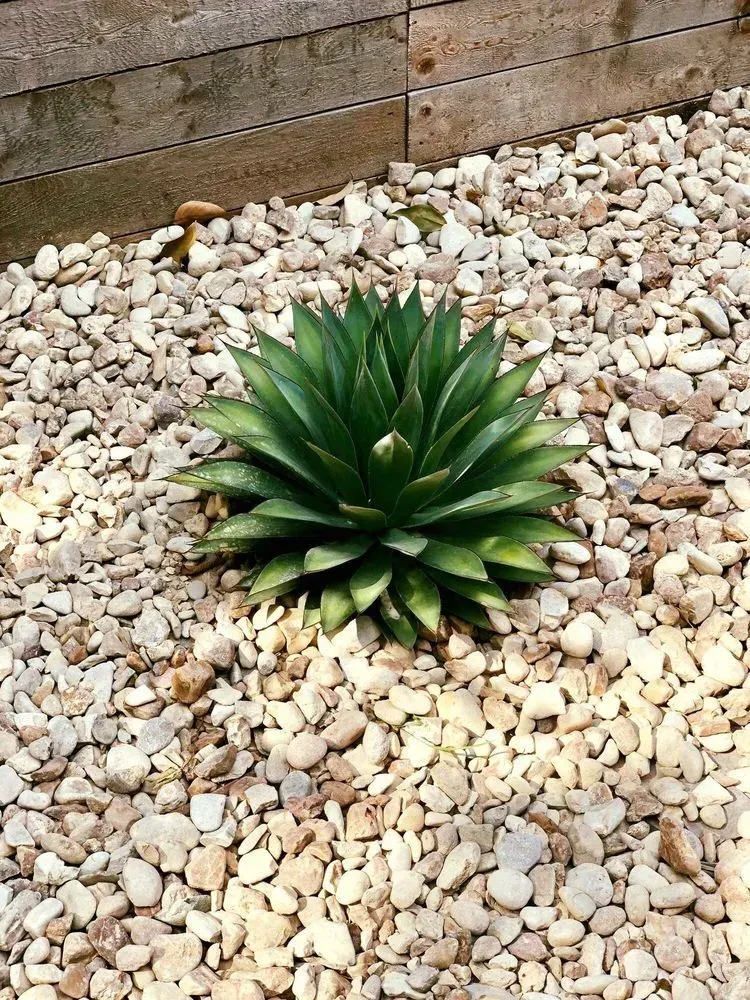
Our team carefully selects plants based on your property’s sun exposure, soil conditions, drainage, irrigation needs, and overall design goals. Whether you want a xeriscaped garden, a colorful wildflower area, a drought-tolerant front yard, or a low-maintenance landscape, Oak Grove can help create a sustainable outdoor space that looks beautiful and performs well in Round Rock.
Native plant landscaping can also work alongside landscape design and installation, irrigation services, xeriscaping, and drainage solutions to create a healthier, more efficient landscape from the ground up.
Get a free quote
Contact Us
Preservation of Local Ecosystem
By incorporating native Central Texas plants into their landscapes, people can contribute to the preservation of the local ecosystem. These plants are adapted to the region's specific climate, soil conditions, and wildlife interactions, making them more resilient and supporting the native wildlife population.
Environmental Sustainability
Using native plants in landscaping reduces the need for excessive irrigation, fertilizers, and pesticides. These plants are well-suited to the local climate, requiring less water and
lawn maintenance compared to non-native species. This approach promotes environmental sustainability and helps conserve water resources.
Low-Maintenance Landscapes
Native Central Texas plants are often low-maintenance, requiring less time and effort to keep them healthy and vibrant. Their adaptability to the local environment means they are more likely to thrive without the need for excessive pruning, fertilization, or pest control measures.
Aesthetically Pleasing Designs
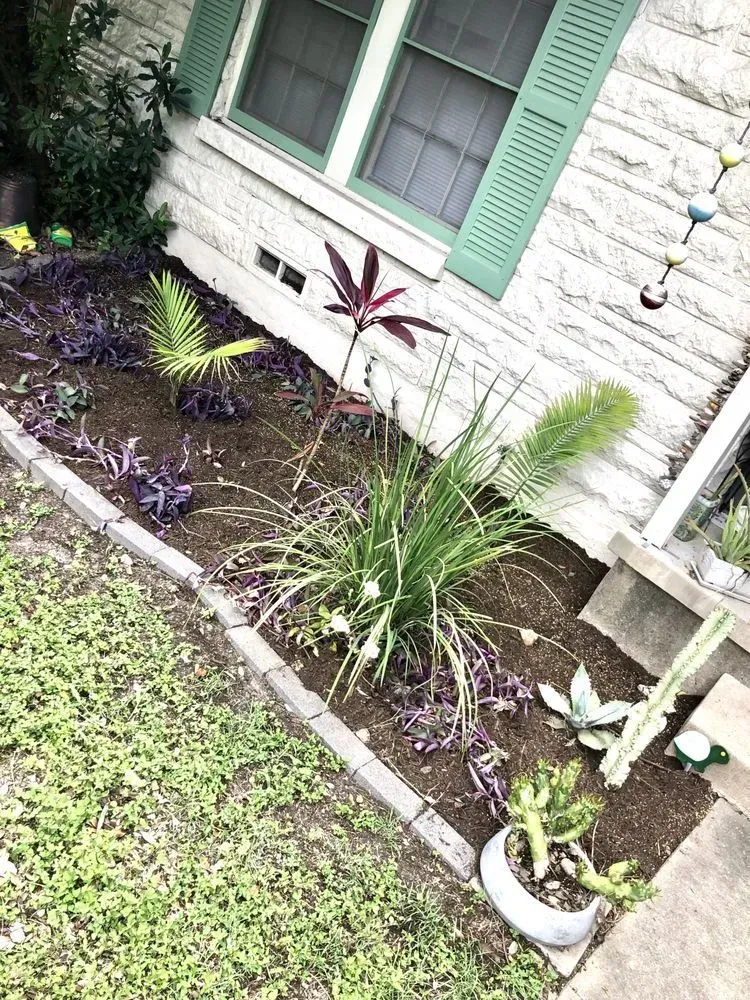
Native Central Texas plants offer a diverse range of colors, textures, and shapes, allowing for visually stunning landscape designs. From vibrant wildflowers to evergreen shrubs and trees, these plants can create a captivating and naturalistic look that enhances the beauty of any outdoor space.
Chris and his team were professional and did a great job installing new sod and redoing our backyard. I will highly recommend them as they are responsive, thorough and willing to help and explain.
-Alejandro Ramirez
Exploring the Rich Diversity of Central Texas Plants and Landscapes
Choosing native Central Texas plants for your Round Rock landscape offers several long-term benefits, from water conservation and lower maintenance to stronger plant health and a more natural outdoor design. Because native plants are adapted to the region’s soil, heat, rainfall patterns, and seasonal conditions, they are often better equipped to thrive than non-native varieties.
Native plants also support local ecosystems by providing habitat and food sources for pollinators, birds, and other wildlife. By incorporating them into your landscape design and installation, you can create a yard that feels connected to the natural character of Central Texas while promoting biodiversity.
Another major advantage is reduced water use. Native and drought-tolerant plants typically require less irrigation once established, making them a smart choice for homeowners who want a more sustainable, low-maintenance landscape. They can also pair well with xeriscaping, efficient irrigation services, and proper drainage solutions to help your yard handle Central Texas weather more effectively.
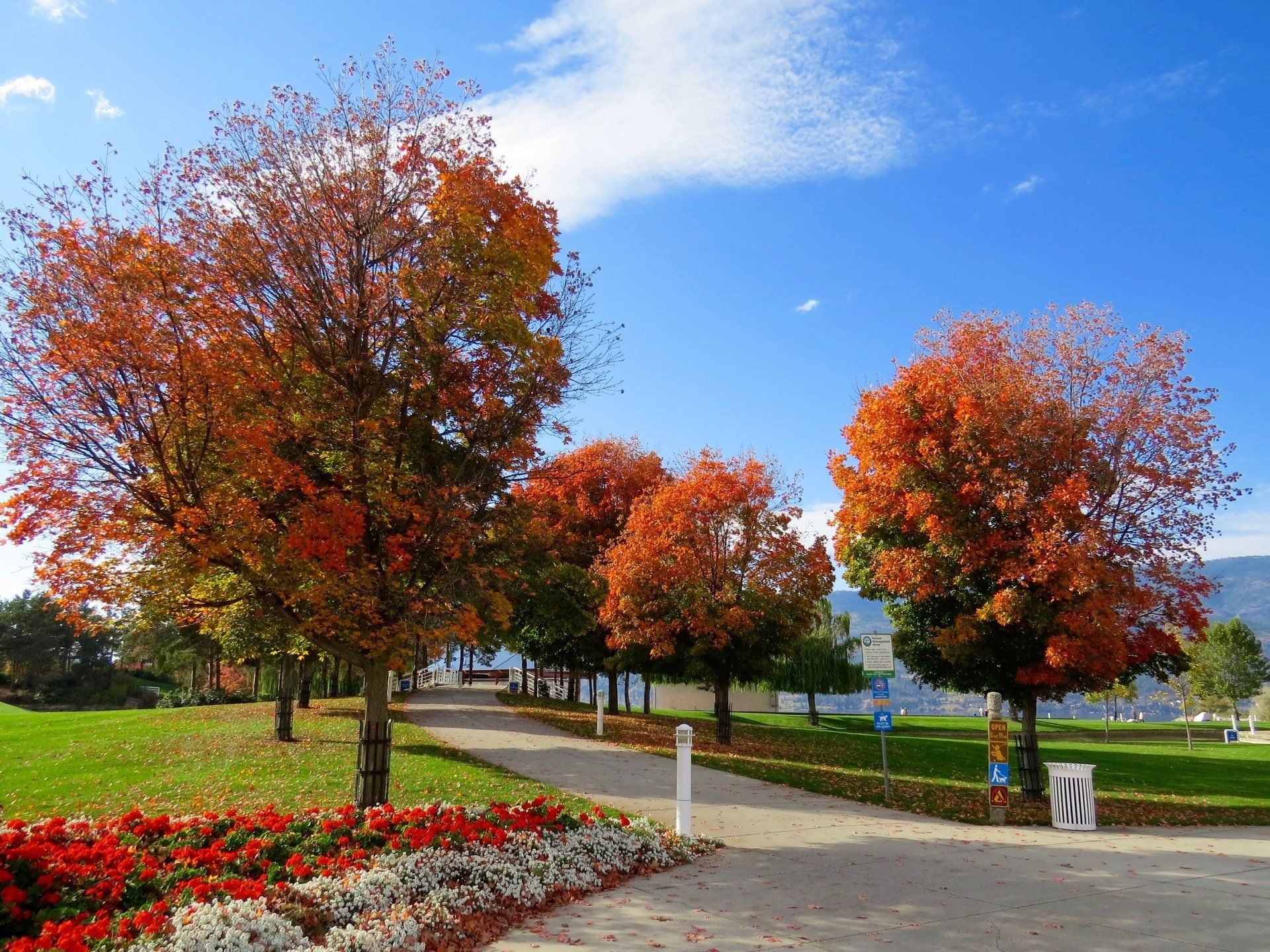
Native plants can also improve the overall appearance and resilience of your outdoor space. With the right mix of trees, shrubs, grasses, wildflowers, and ground covers, Oak Grove Lawn and Landscape can create a landscape that looks colorful, balanced, and authentic to the region. Because these plants are naturally suited to local conditions, they are often more resistant to pests, disease, and weather stress, which may reduce the need for intensive watering, fertilization, or weed and pest control over time.
With Oak Grove’s native plant landscaping services, you can create a beautiful, sustainable yard that supports ecological health, conserves water, and stays easier to maintain through the challenges of the Central Texas climate.
What are some native plants to use in Round Rock, TX?
Drought-resistant plants are extremely important to plant in your front or backyard, especially in Round Rock since this can save you significant costs on your water bill. In addition, Native Central Texas plants are typically more low-maintenance compared to other plants.
Here are a few native plants to consider adding to your front or backyard:
- Texas Redbud: Imagine a small tree or a big shrub with pretty pink or lavender flowers in spring. It doesn't need a lot of water and adds a lot of charm to your garden.
- Texas Mountain Laurel: This one has fragrant purple flowers and stays green throughout the year. It's slow-growing and perfect for Texas gardens.
- Black-Eyed Susan: These flowers are golden-yellow with a dark center. They bloom from late spring to fall and attract butterflies, making your garden lively.
- Lantana: These plants have clusters of colorful flowers that butterflies adore. They're tough and bloom from spring to fall.
- Gregg's Mistflower: This low plant has fuzzy blue flowers that butterflies love. They bloom in late summer and fall, adding color when most plants are done flowering.
- Texas Sage: This shrub has silvery leaves and purple, pink, or white flowers after rain. It loves the sun and doesn’t need much water.
- Mexican Feather Grass: Picture graceful, green grass turning golden in the fall. It's a beautiful addition to any garden.
- Damianita: This low shrub has fragrant leaves and yellow flowers. It's tough and blooms in spring and summer.
- Texas Betony: This plant has bright red flowers and lovely leaves. Hummingbirds really like it.
- Flame Acanthus: This shrub has vibrant orange-red flowers from late spring to fall. It's a favorite spot for hummingbirds.
Planting these native plants not only adds beauty to your garden but also helps the local ecosystem. They need less water and care, making your gardening experience a lot more enjoyable.
Local to Austin Area
Save Time
Stress Less
More Time with Family
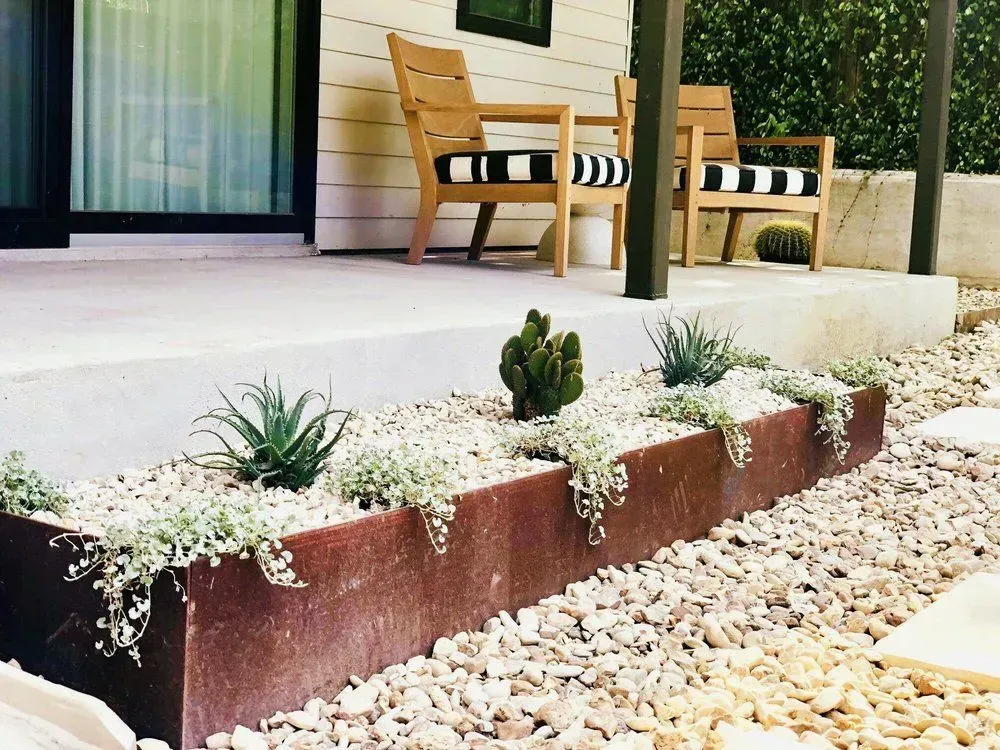
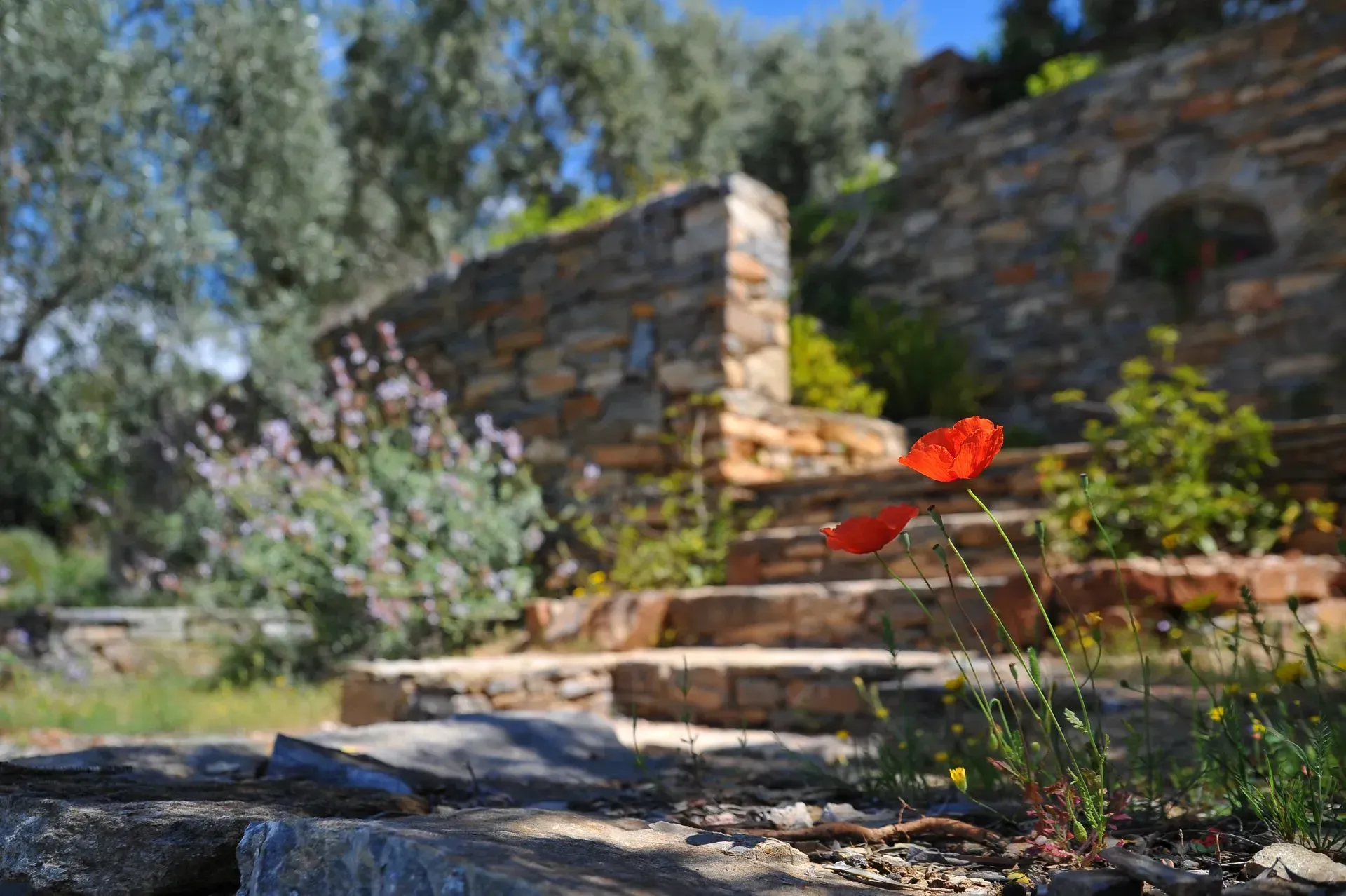
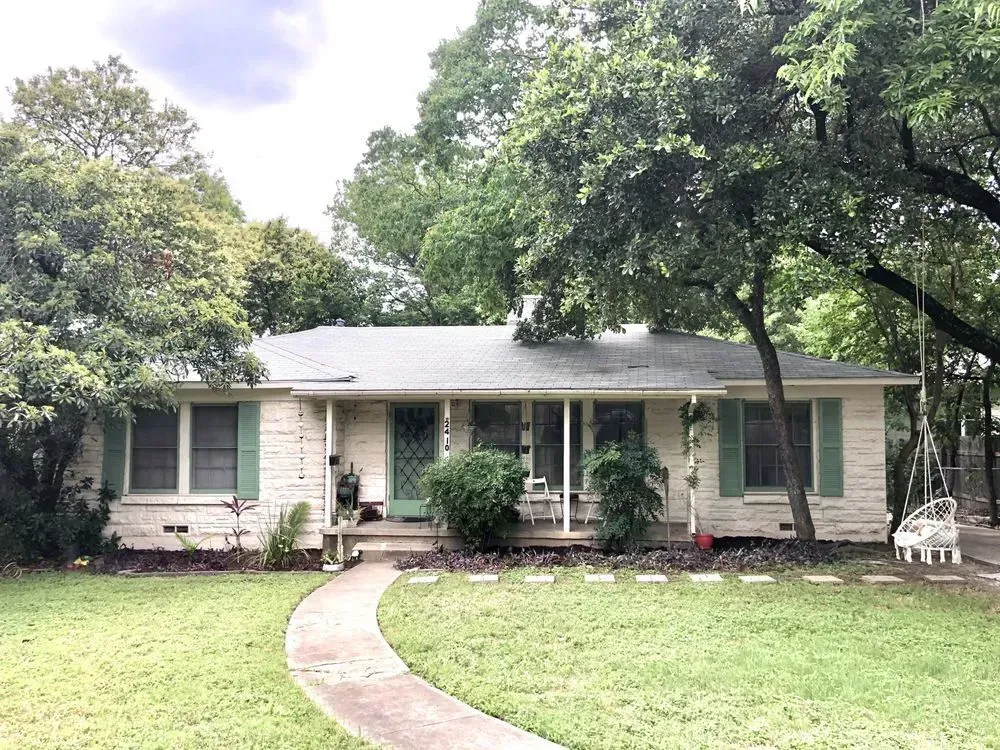
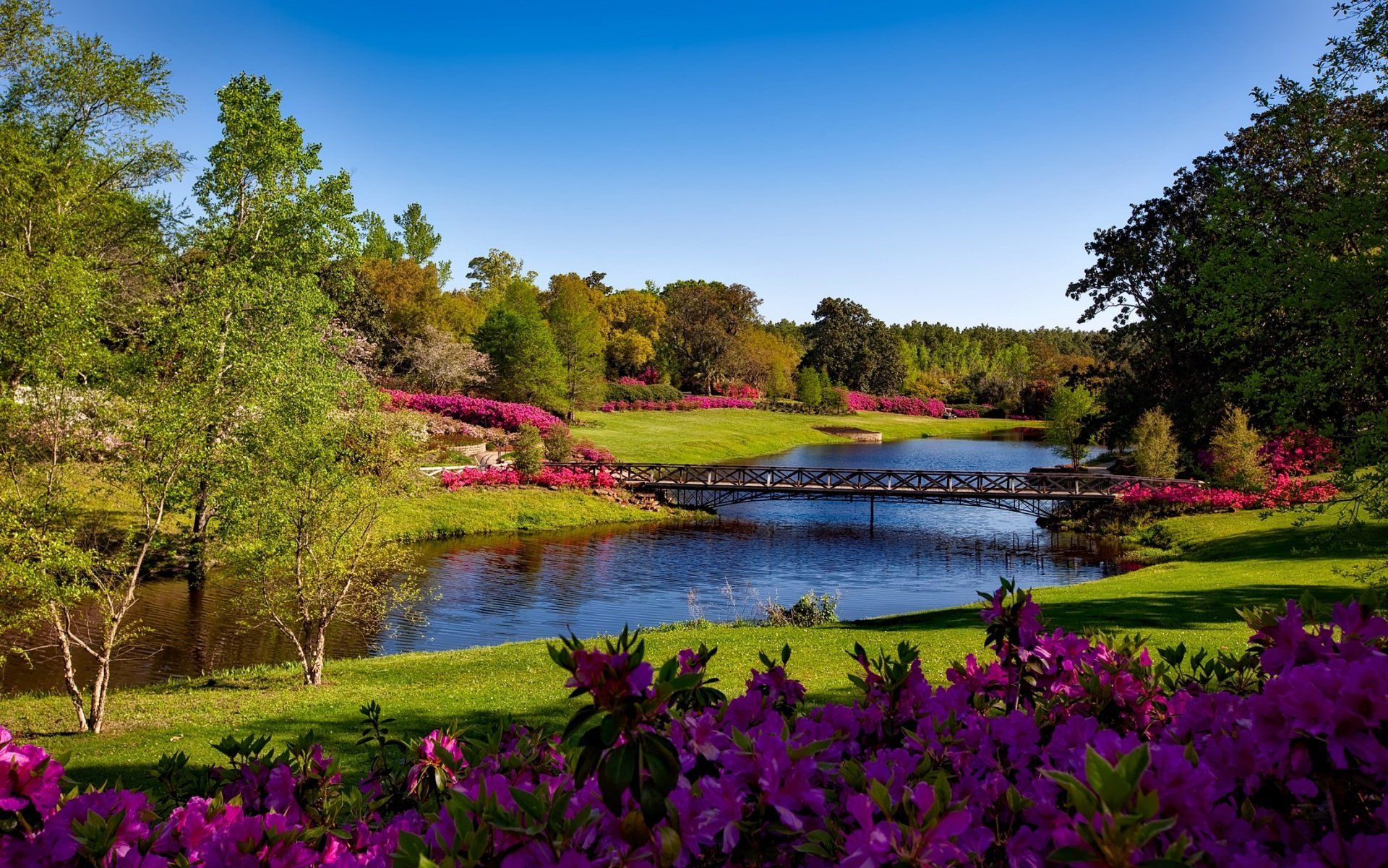
Native Central Texas Plants and Landscape Photo Gallery
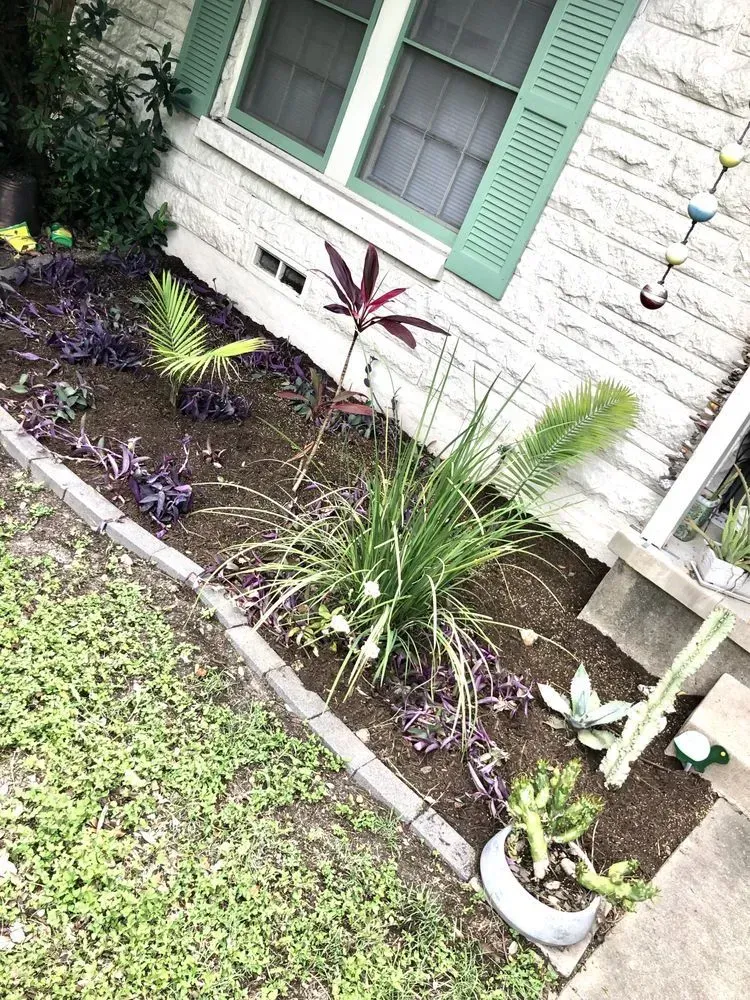
Step into the enchanting world of Native Central Texas Plants and Landscapes through our captivating photo gallery, showcasing the stunning beauty and diverse range of designs that can be achieved with these indigenous plants.

The crew at Oak Grove is as professional as they come. Chris and his staff a pleasure to work with. Highly recommend
-Matt Aubry
Need help with a native garden?
Talk to the pros at Oak Grove Lawn and Landscape about the best native plants to maximize beauty and efficiency in your natural landscape.
FAQs about Our Landscaping Services using Native Texas Plants in Round Rock
Why should I choose Oak Grove for native Texas plants landscaping?
Oak Grove specializes in native Texas plants landscaping, offering designs that both honor the region’s natural ecosystem and reduce ongoing maintenance. We carefully select plants that are adapted to Central Texas’s soil and climate, ensuring your landscape thrives with minimal extra care.
What is landscaping with native Texas plants all about?
Landscaping with native Texas plants means using species that flourish naturally in Central Texas. These plants require less water, fertilizer, and pesticide, making your garden sustainable, wildlife-friendly, and low maintenance while still delivering on beauty.
Can Oak Grove help me with native plant landscaping in Austin and Round Rock?
Absolutely! Our expertise in native plant landscaping Austin allows us to create landscapes that thrive in both Round Rock and Austin. Whether you want a xeriscaped garden, vibrant wildflower meadow, or a sustainable low-maintenance yard, we’ve got you covered.
What are some benefits of using native plants in my landscape?
Choosing native species promotes environmental sustainability by conserving water and reducing chemical use. These plants are naturally resilient to local pests and weather, support local wildlife, and enhance your outdoor space with authentic Central Texas beauty.
Which native plants work best for Round Rock landscapes?
In Round Rock landscapes, plants like Texas Redbud, Texas Mountain Laurel, Black-Eyed Susan, Lantana, Gregg's Mistflower, Texas Sage, Mexican Feather Grass, Damianita, Texas Betony, and Flame Acanthus are excellent picks. They’re drought-tolerant, low-maintenance, and naturally compatible with Central Texas soil and weather conditions.
How do native Texas plant designs enhance my outdoor space aesthetically?
Native landscapes provide diverse colors, textures, and forms—from vibrant wildflower displays to structured shrubs and grasses. They bring a natural, organic look that remains visually engaging year-round, blending beauty with ecological harmony.
Can you transition my existing yard to mostly native plants instead of starting from scratch?
Yes. We can work in phases so you don’t have to rip everything out at once. First, we target the highest-impact areas—like front beds or spots that struggle with water or pests—then gradually replace non-native, high-maintenance plants with Central Texas natives that fit your soil, sun, and drainage. Resources like the Lady Bird Johnson Wildflower Center’s native gardening guide show how this step-by-step approach builds healthier, lower-input landscapes over time.
Will a native plant landscape still look good in every season?
Done right, yes. We design with structure, bloom time, and texture in mind—mixing evergreen shrubs, ornamental grasses, and perennials that flower at different times of year. Guides such as Austin’s Native and Adapted Landscape Plants list highlight which species hold up through heat, cold snaps, and drought while still providing color and interest: Native and Adapted Landscape Plants – City of Austin Grow Green. Whether you’re looking at Native texas plants in austin or planning a fresh native layout in Round Rock, we can build a plant mix that feels full and intentional year-round.
Do native Texas plants really help with water savings and local wildlife?
They do. Native species are already tuned to Central Texas conditions, so they typically need less supplemental water, fertilizer, and chemical control once established. Texas A&M AgriLife notes that native plants support birds and pollinators while reducing inputs, which makes your yard both more sustainable and easier to care for: Benefits of Native Plants – Texas A&M AgriLife. If you’re searching for Native texas plants in Round Rock TX, we can recommend a custom plant list that fits your goals for water use, maintenance, and habitat.
How do native plants contribute to a "fire-wise" landscape design?
In Central Texas, selecting plants that are naturally drought-resistant can also help with wildfire safety. Many Native Texas plants Round Rock homeowners choose, like Red Yucca or various succulent species, have high moisture content in their leaves even during dry spells. By spacing these correctly and using inorganic mulches like river rock, we can create a beautiful landscape that is less likely to carry a fire toward your home compared to dense, non-native evergreens.
Why does the pH of Round Rock’s soil make native plants a better long-term investment?
Our local soil is often highly alkaline due to the limestone bedrock. Non-native plants like Azaleas or Gardenias often struggle with "iron chlorosis" (yellowing leaves) because they cannot absorb nutrients in high-pH soil. Native plants like Texas Sage and Esperanza have evolved specifically for this chemistry. They don't require expensive soil acidifiers or constant chemical tweaking to stay green and vibrant, saving you money on maintenance.
Can native plants be used to create an effective, low-maintenance privacy screen?
Yes. Native evergreens like the Texas Mountain Laurel or the Cherry Laurel are excellent for screening. Unlike non-native hedges that might require monthly shearing to look good, native shrubs have a natural, graceful growth habit that looks intentional with only once-a-year pruning. Pairing these with professional landscape lighting can create a stunning evening silhouette while keeping your backyard private.
Services
We offer a wide range of services to meet all your needs.
