Everything you Need to Know about Xeriscaping in Central Texas
The Future of Austin Lawns: A Complete Guide to Xeriscaping in Central Texas
If you have lived in Central Texas for more than one summer, you know how difficult it can be to keep a traditional lawn green through the heat. The lush grass of spring can quickly turn thin, dry, and stressed by August, especially when homeowners are also dealing with high water bills, drought conditions, and local watering restrictions.
There is a smarter way to create a beautiful outdoor space in this climate. Xeriscaping is a water-wise landscaping approach designed to reduce irrigation needs, improve long-term plant health, and create a yard that works with Central Texas conditions instead of fighting against them.
More Than Just Rocks and Cacti
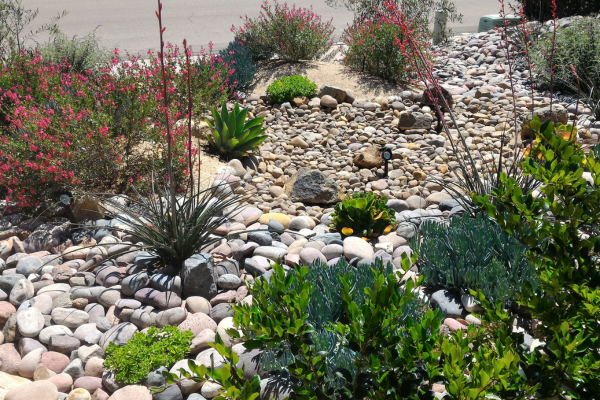
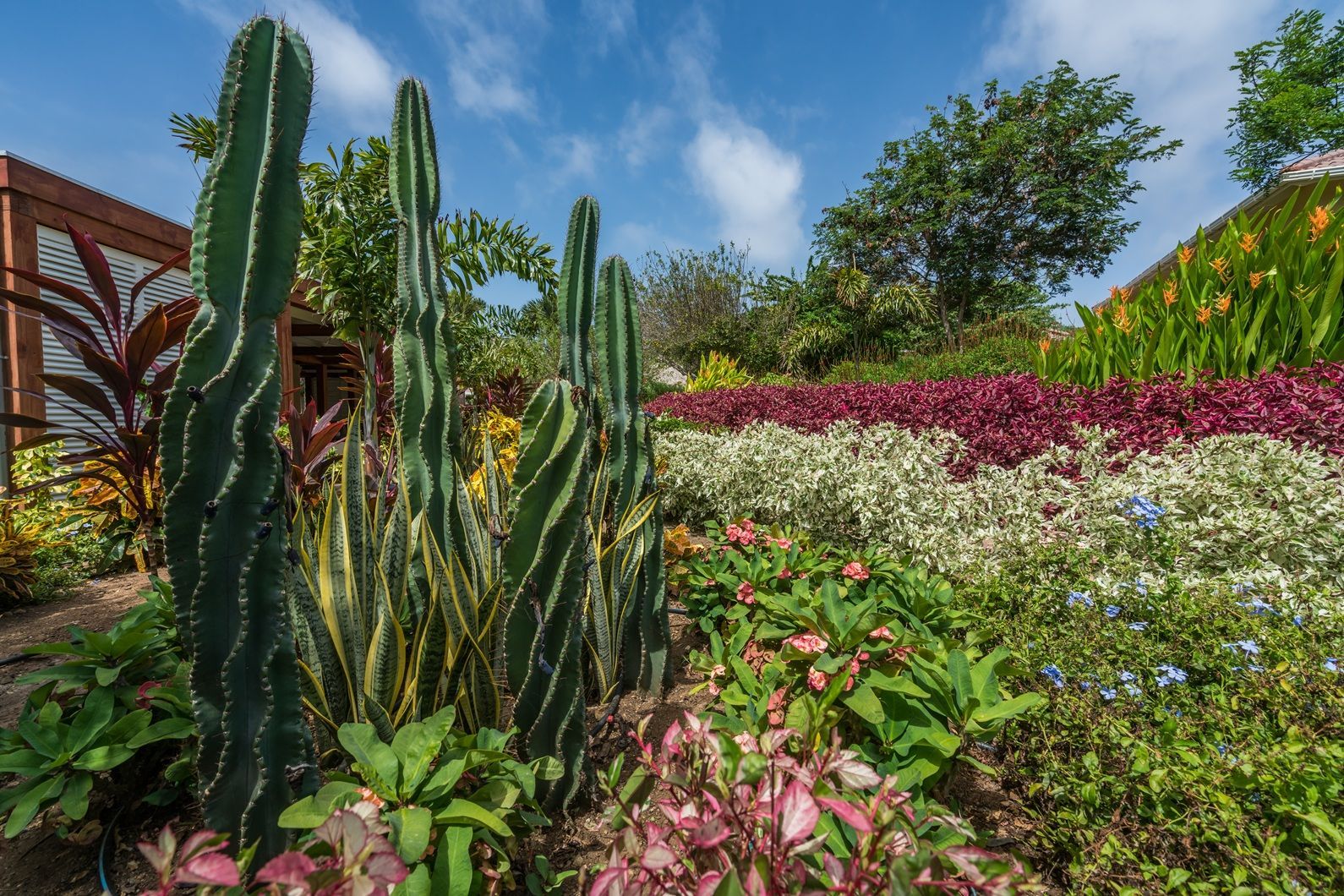
A common misconception is that xeriscaping means removing everything green and replacing it with gravel, cactus, and bare rock. That is not true xeriscaping. In fact, too much rock can create a hotter, harsher yard that feels less inviting and less functional.
True xeriscaping is the art of landscaping with water conservation, soil health, plant selection, and efficient irrigation in mind. A well-designed xeriscape can include native plants, ornamental grasses, mulch, stone pathways, shade trees, flowering perennials, and small practical turf areas where grass still makes sense.
For homeowners, xeriscaping can mean lower water use, less mowing, better drought resilience, and stronger curb appeal. For landlords and builders, it can create more durable outdoor spaces with lower maintenance demands. With the right xeriscaping in Austin, your yard can still feel lush, colorful, and welcoming while using water more responsibly.
Surviving the Central Texas Furnace
To understand why xeriscaping is so useful, it helps to understand the environment we live in. Austin and the surrounding Central Texas region sit between different ecological zones, which means homeowners often deal with extreme heat, unpredictable rain, rocky soil, clay soil, and long dry stretches in the same year.
The Weather Factor
Central Texas weather can shift quickly from intense heat and drought to heavy storms and sudden runoff. Traditional lawns often struggle in these conditions because they require consistent watering and do not always absorb rainfall efficiently. A well-planned xeriscape can help capture, slow, and use rainfall more effectively while reducing the amount of supplemental irrigation needed during dry periods.
The Soil Struggle
Soil conditions also play a major role. West of I-35, many properties have shallow, rocky, alkaline soil over limestone. East of I-35, heavy clay soil can shrink when dry and swell when wet, creating challenges for plant roots, drainage, and landscape stability.
Understanding these local soil conditions is the first step toward building a landscape that lasts. Oak Grove Lawn and Landscape designs water-wise landscapes around your property’s sun exposure, slope, drainage, soil type, and long-term maintenance goals.
The Blueprint of a Water-Wise Yard
Successful xeriscaping relies on a few core principles. These are not just design ideas; they are the foundation of a sustainable Central Texas landscape.
1. Planning and Design: A xeriscape should start with a clear plan that accounts for sun exposure, drainage, slope, soil, plant groupings, and how the yard will be used. Professional landscape design and installation helps ensure the layout works with your property instead of against it.
2. Soil Analysis and Improvement: Native and drought-tolerant plants are resilient, but they still need the right foundation. Adding compost and improving soil structure can help retain moisture, support root growth, and give new plants a better start.
3. Practical Turf Areas: Grass is not the enemy, but it should be used intentionally. A small lawn area for pets, kids, or outdoor use can still make sense. If you need turf, professional sod installation with a more drought-tolerant grass type can be a better choice than relying on thirsty turf in full sun.
4. Appropriate Plant Selection: Choosing the right plant for the right location is essential. Central Texas landscapes perform best when they include native and adapted species that can handle heat, drought, alkaline soil, and seasonal weather swings. Oak Grove Lawn and Landscape can help incorporate native Central Texas plants into a xeriscape design that looks beautiful and performs well.
5. Efficient Irrigation: Water should be delivered where plants need it most: at the root zone. Smart irrigation, drip systems, and properly zoned watering can reduce waste and support healthier plants. Professional irrigation installation helps ensure every area of the landscape receives the right amount of water.
6. Use of Mulches: Mulch helps regulate soil temperature, retain moisture, reduce weeds, and protect plant roots from extreme heat.
7. Appropriate Maintenance: Xeriscapes are lower maintenance, not no maintenance. Seasonal trimming, mulch refreshes, irrigation checks, weed control, and plant health monitoring keep the landscape looking intentional and healthy.
Mapping Out Your Oasis
Before buying a single plant, look at your property through a practical lens. Notice where the sun hits in the morning, where the yard gets harsh western exposure, where water naturally flows, and which areas stay shaded. In Austin, late afternoon sun can be especially intense, so those areas need the toughest and most heat-tolerant plants.
Hydrozoning
Hydrozoning means grouping plants with similar water needs together. You would not want to place a thirsty plant next to a drought-hardy agave or ornamental grass. By grouping plants properly, each zone can be watered efficiently without overwatering plants that prefer drier conditions.
The front yard may need a cleaner, more structured design for curb appeal, while the backyard can be planned around outdoor living, pets, a small turf area, a stone patio, raised beds, or shaded seating. Good xeriscape design balances beauty, function, and water efficiency.
The Green Team: Best Plants for Austin
Central Texas offers a wide range of native and adapted plants that can create color, texture, movement, and structure in a xeriscape. These plants are better suited for local heat, drought, and seasonal weather changes than many traditional landscape choices.
Natives vs. Adapted
Native plants, such as Texas Lantana, naturally occur in the region. Adapted plants come from similar climates and can thrive here without becoming invasive. Both can work well in a water-wise landscape when they are selected carefully and placed in the right conditions.
Top Performers
For color, Texas Sage, also called Cenizo, is a strong performer in hot, dry conditions. Red Yucca adds architectural form with coral blooms that attract hummingbirds. Silver Ponyfoot creates a soft, silvery groundcover that can spill over rock or edging, while Mexican Feathergrass adds movement and texture to planting beds.
According to the Lady Bird Johnson Wildflower Center, choosing native species can help support local wildlife while creating a landscape that is better adapted to regional conditions.
What to Avoid
Avoid placing water-hungry plants in full sun areas where they will require constant irrigation to survive. Tropical plants, thirsty turf, and poorly placed shade plants can quickly struggle in Central Texas heat, leading to wasted water and ongoing replacement costs.
Watering Smarter, Not Harder
Xeriscaping reduces water use, but new plants still need consistent establishment water. The difference is how that water is delivered.
Traditional spray heads can lose water to evaporation and overspray, especially on hot or windy days. Drip irrigation is often a better option for xeriscape beds because it delivers water slowly and directly to the root zone.
Smart controllers can also help adjust watering based on weather, rainfall, and seasonal conditions. When paired with proper zoning, drip irrigation, and plant selection, your landscape can use less water while staying healthier.
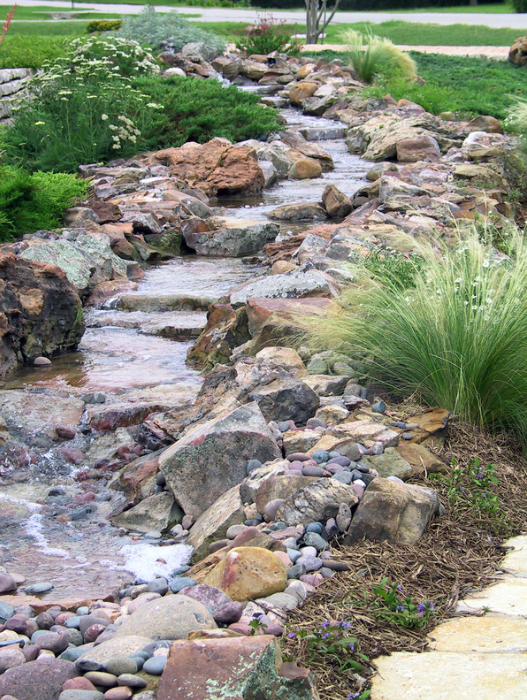
Passive water management is also important. Swales, grading, and slight depressions can help capture rainwater and allow it to soak into the soil instead of running into the street. Proper drain construction can help move water safely through the property without allowing it to pool near your foundation.
Setting the Stone: Hardscaping Done Right
Hardscaping provides the structure of a xeriscape. In Austin and Central Texas, materials like limestone, decomposed granite, river rock, flagstone, and natural stone edging can help create pathways, patios, borders, and seating areas that feel connected to the local landscape.
Decomposed granite is a popular option for pathways and informal patio areas because it creates a natural look and remains more permeable than solid concrete. Flagstone can provide a more formal surface for outdoor furniture and gathering spaces.
Balance is key. A yard that is mostly rock can absorb and reflect heat, making the property feel hotter. Plants, trees, mulch, and shade help soften stone features and create a more comfortable outdoor environment.
The Unsung Hero: Mulch and Groundcovers
Mulch is one of the most important parts of a successful xeriscape. Bare soil is vulnerable to heat, erosion, moisture loss, and weed growth. A healthy layer of mulch helps keep soil cooler, protects roots, and reduces evaporation.
Organic mulch, such as shredded hardwood or cedar, is often a strong choice for planting beds because it slowly breaks down and improves the soil. It acts like insulation, helping roots stay cooler in summer and more protected during winter cold snaps.
Weed fabric can be useful under some gravel pathways, but it is not always ideal in planting beds. Over time, it can interfere with soil health and prevent organic mulch from feeding the ground beneath it. A thick mulch layer, proper plant spacing, and professional weed and pest control can help keep unwanted growth under control.
Turning Heads: Xeriscaping for Curb Appeal
Some homeowners worry that xeriscaping will look too wild or unfinished. It does not have to. The key is intentional design.
Defined bed lines, metal edging, grouped plantings, layered heights, and repeated materials can make a xeriscape feel clean and polished. Grouping plants in odd numbers, repeating colors, and creating contrast between mulch, stone, and foliage can make the design feel planned instead of random.
To highlight architectural plants and stone features after dark, consider adding landscape lighting to your xeriscape design. Lighting can add curb appeal, improve visibility, and make your outdoor space feel more inviting at night.
If you live in an HOA community, review your bylaws before making major changes. Many associations require plan approval for front yard modifications, even when water-wise landscaping is allowed. A professional landscape design can help make the approval process smoother.
The Investment: Costs and DIY vs. Pro
Xeriscaping is an investment. The upfront cost can be higher than simply installing standard turf because the process may involve removing existing grass, improving soil, installing drip irrigation, adding mulch or stone, and planting native or adapted species.
However, the long-term value can be significant. Homeowners may save on water, mowing, fertilization, and ongoing lawn maintenance while creating a landscape that performs better during hot and dry weather. According to Texas A&M AgriLife Extension, efficient landscape water use can help reduce water demand during peak summer conditions.
You can also complete a xeriscape in phases. Some homeowners begin with a front bed, side yard, hellstrip, or high-maintenance turf area. However, removing Bermuda grass, correcting drainage, and preparing compacted soil can be difficult work. A professional yard clean up can help create a cleaner starting point before new landscaping is installed.
It is also worth checking local city programs before beginning. The City of Austin may offer water conservation resources or rebates that help offset certain water-wise landscape upgrades.
Partnering with Oak Grove Lawn and Landscape
Transforming a high-maintenance lawn into a sustainable Central Texas landscape is a major project, but you do not have to do it alone. Oak Grove Lawn and Landscape helps homeowners plan and install xeriscapes that are practical, attractive, and built around local conditions.
Our team understands Central Texas soil, native plants, drainage challenges, irrigation needs, and the design choices that help xeriscapes look polished instead of unfinished. From initial site walks and custom design to hardscape installation, planting, grading, irrigation planning, and mulch installation, we help create a landscape set up for long-term success.
Keeping It Alive: Maintenance Basics
Although xeriscapes are often described as low maintenance, they are still living landscapes. They need seasonal care to stay healthy, clean, and attractive.
Regular Austin lawn care and landscape maintenance may include trimming perennials, checking irrigation, refreshing mulch, removing weeds, cleaning up beds, pruning trees and shrubs, and monitoring plant health.
Spring:
Cut back dormant perennials, refresh mulch, inspect irrigation, and prepare plants for the growing season.
Summer:
Monitor irrigation, check for leaks, pull weeds early, and watch for heat stress.
Fall:
Plant new trees and shrubs when temperatures are cooler and roots have time to establish.
Winter:
Prune trees where appropriate and protect sensitive plants from hard freezes.
Pest management in xeriscapes can also be easier when native plants attract beneficial insects. When pests do appear, targeted care is usually better than broad, heavy treatments.
Pitfalls to Avoid
Many DIY xeriscape projects start with good intentions but run into problems because of poor planning. The most common mistakes include:
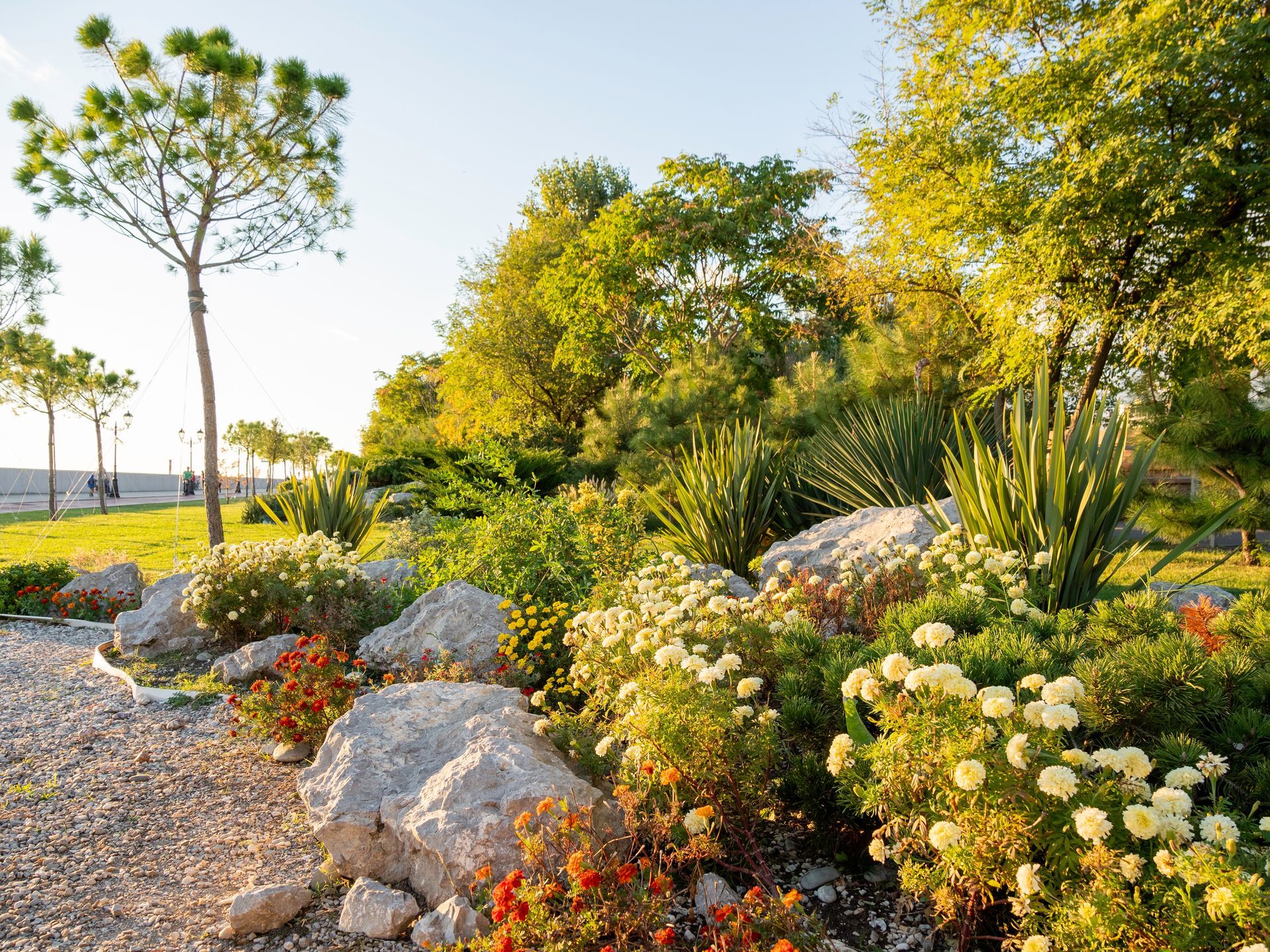
- The “Rock Scape”: Covering the entire yard in rock without enough plants can create a heat-reflecting surface that makes the space less comfortable.
- Ignoring Drainage: Replacing grass with gravel without grading the soil can send water toward the foundation or create pooling issues.
- Right Plant, Wrong Place: A shade-loving plant placed in full Texas sun will struggle no matter how water-wise it is.
- Keeping Spray Irrigation Everywhere: Spray heads are not always the right fit for xeriscape beds and can waste water or encourage plant disease when used incorrectly.
Ready to Transform Your Yard?
Xeriscaping is more than a landscaping trend. It is a smart, future-focused strategy for creating a beautiful yard in Central Texas. With the right design, plants, irrigation, drainage, mulch, and maintenance plan, your landscape can conserve water, withstand local weather, and improve curb appeal.
You can start small or bring in a professional team to handle the full transformation. If you are ready to stop fighting the drought and start enjoying a more water-wise outdoor space, contact Oak Grove Lawn and Landscape today.
You might also like